


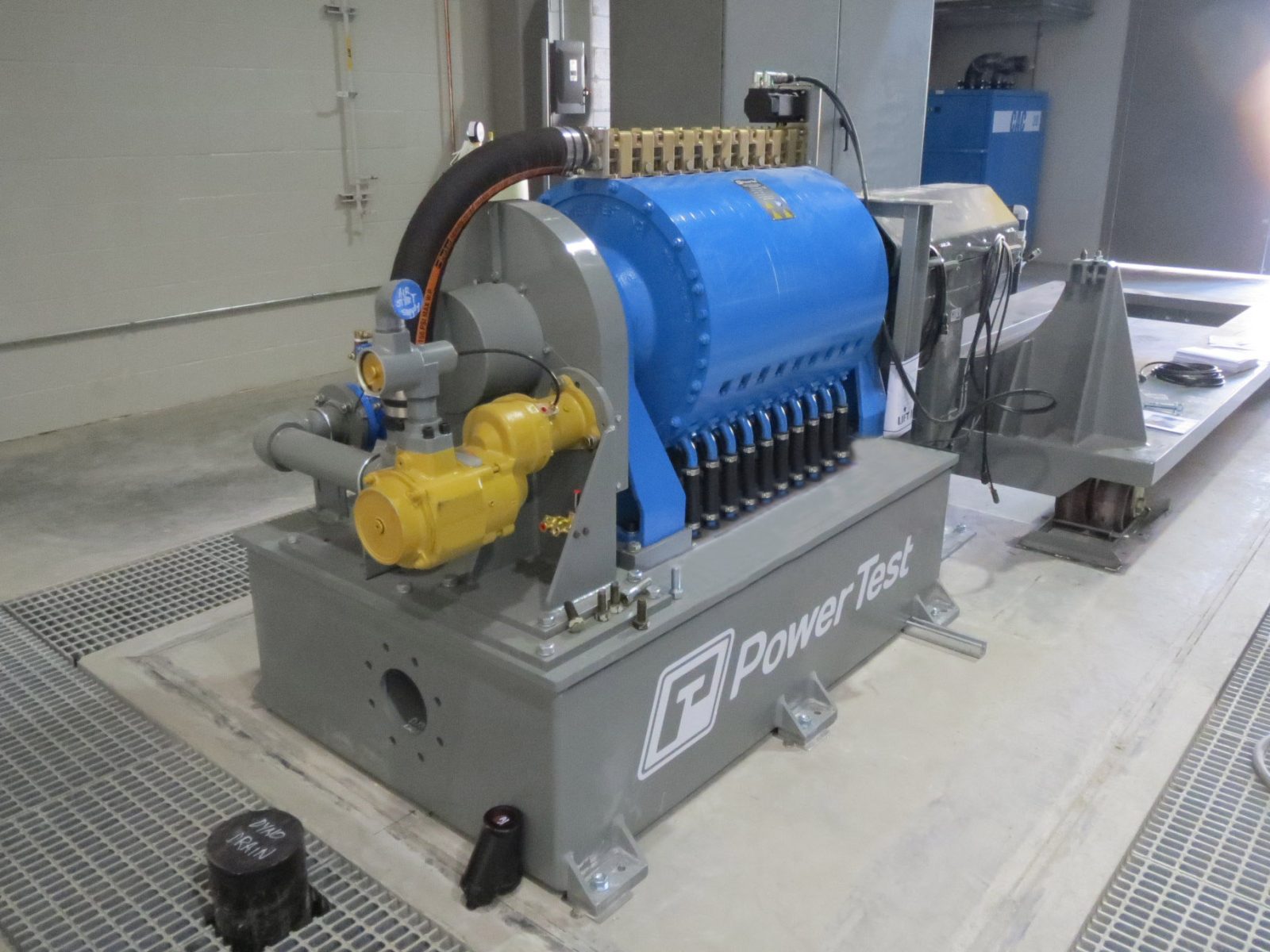
Test Cell Design: Key Considerations for Safety, Accuracy, and Performance
Designing a Test Cell That Delivers Consistent Results and Long-Term Value
Designing an engine dynamometer test cell takes more than fitting a dyno into a room. A well-planned test cell improves test accuracy, safety, and long-term reliability, while poor design can lead to unstable data, downtime, upcharges and change fees during construction and safety risks.
If you’re planning a new test cell or upgrading an existing one, these are the key factors to consider.
Define Your Test Objectives
Start with how the dyno will be used. Consider:
- Engine sizes, power levels, and speed ranges in your current state, and for your future needs
- Production testing, R&D, durability, or performance work
- Steady-state vs. transient testing
Designing for future needs helps avoid costly changes later.
Plan the Test Cell Layout and Foundation
A stable foundation is critical for accurate and repeatable results. Best practices:
- Isolated concrete foundations designed for dynamic loads
- Proper dynamometer and engine anchoring and alignment are critical—including the use of correctly designed inbeds—to prevent long-term concrete deterioration caused by testing loads.
- Planning for future expansion early, when small upfront investments can help avoid significantly higher costs down the road.
- Adequate clearance for service, installation, and instrumentation
Minimizing vibration improves measurement accuracy and protects equipment and isolates the surrounding facility structure from engine/dyno vibrations being transferred through the floor.
Manage Airflow and Ventilation
Engines require large volumes of air and generate significant heat.
Key considerations:
- Sufficient combustion air supply
- Effective exhaust extraction
- Heat rejection sized for maximum test conditions accounting for environmental conditions at specific testing site
Proper airflow protects operators and maintains stable test conditions. Test cell ventilation is considerably different than HVAC considerations that most are exposed to when proposing HVAC for a show or office space.
Design the Cooling and Water Systems Correctly
Cooling systems directly affect dyno control and reliability.
Important elements:
- Correctly sized water supply for the dynamometer brake
- Engine cooling systems matched to test loads
- Filtration to prevent corrosion, scale, organic matter, and other suspended solids
Poor cooling leads to unstable control and premature component wear.
Build a Safe, Reliable Fuel System
Fuel systems must deliver consistent fuel while meeting safety requirements.
Focus on:
- Proper fuel storage and containment per local code
- Filtration and pressure regulation
- Ventilation and fire-safety compliance per local code
Safety, function and serviceability should drive fuel system design. An easily accessible system for your fuel provider is also recommended.
Ensure Adequate Electrical Power and Controls
Dyno systems depend on clean, stable electrical power.
Plan for:
- Sufficient power capacity for dyno and support equipment
- Logical control room layout with clear visibility (via cameras, or impact resistant widows)
Reliable power supports accurate data and smooth operation.
Integrate Safety from the Start
Safety is not optional in a dyno test cell.
Critical features include:
- Emergency stop systems
- Guarding around rotating components
- Clear access and evacuation paths on both sides of the unit under test
Optimize Data Acquisition and Instrumentation
Good data starts with good system layout.
Best practices:
- Clean sensor wiring and routing
- Proper sensor placement for repeatability
- Scalable data acquisition systems for future expansion
Thoughtful design reduces noise and improves data quality.
Bottom Line
A well-designed engine dynamometer test cell improves accuracy, safety, reliability, and productivity. Careful planning of structure, airflow, cooling, power, and safety helps protect your equipment investment and ensures consistent test results.
If you’re designing a new test cell or upgrading an existing one, working with experienced dyno and test cell specialists can help you avoid costly mistakes and maximize performance. The investment in DCI support during test cell planning can pay for itself by avoiding just one change order or eliminating the need for costly demolition to correct planning oversights.
Designing a new test cell or upgrading an existing one? Contact our team to ensure your facility is built for accuracy, safety, and long-term performance.