


Keeping Critical Oil & Gas Engines Ready: Why Modern Test Systems Are Becoming a Competitive Advantage
Reducing Risk and Improving Uptime Through Advanced Testing
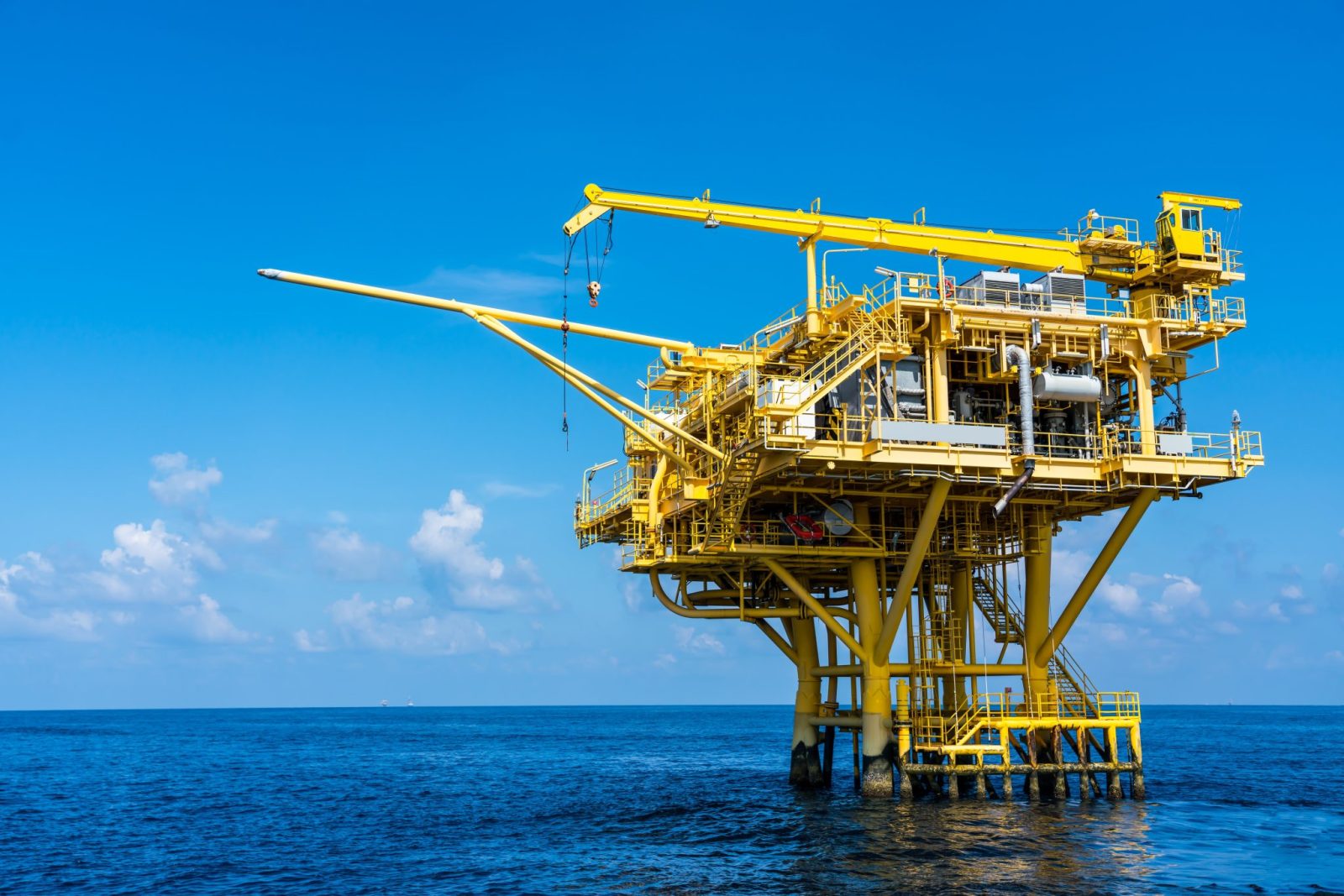
Whether supporting hydraulic fracturing operations in North America or powering offshore drilling platforms around the world, today’s oil and gas industry depends on one thing above all else, equipment that performs reliably under extreme conditions.
Every hour an engine is offline can delay production, increase operating costs, or jeopardize project schedules. At the same time, engine technologies continue to evolve, emissions requirements are changing, and customers expect more data than ever before to validate performance.
For OEMs, engine rebuilders, system integrators, and critical facility operators, the challenge is no longer simply testing engines. It’s proving performance, reducing risk, and delivering confidence before equipment ever reaches the field.
The Industry Is Changing and So Are Testing Requirements
Oil and gas applications place extraordinary demands on engines. Fracturing fleets operate around the clock under heavy loads. Offshore drilling platforms rely on dependable power generation where equipment failures are exceptionally costly and logistics make repairs difficult.
Today’s testing programs must accomplish far more than verifying horsepower.
Organizations are expected to:
- Validate engine performance across changing load profiles.
- Document emissions and fuel consumption.
- Capture detailed operational data for customers and regulatory requirements.
- Improve repeatability between test cells and facilities.
- Reduce commissioning time and identify issues before equipment is deployed.
- Maximize throughput without sacrificing quality.
Legacy data acquisition systems and aging dynamometer controls often become the limiting factor—not the dynamometer itself.
Turning Testing Into a Business Advantage
Forward-thinking organizations are transforming their test cells from production checkpoints into strategic assets. Instead of simply confirming that an engine runs, they’re using advanced testing to improve product quality, shorten development cycles, reduce warranty exposure, and provide customers with documented proof of performance.
That’s where Power Test partners with customers.
For decades, Power Test has helped organizations build, modernize, and optimize engine testing systems for some of the world’s most demanding industrial applications. Whether supporting new engine development, production validation, remanufacturing, or service testing, our team works with customers to create solutions that match their application, not simply recommend equipment.
Application First. Equipment Second.
Every testing requirement is different. Some customers need high-capacity engine testing for large industrial diesel engines powering fracturing pumps. Others require precise transient load control for offshore power generation packages.
Many operate existing test cells with dependable dynamometers that continue to perform well mechanically but rely on aging electronics and software that no longer provide the visibility or flexibility modern operations require.
Power Test addresses each of these challenges through complete testing solutions that can include:
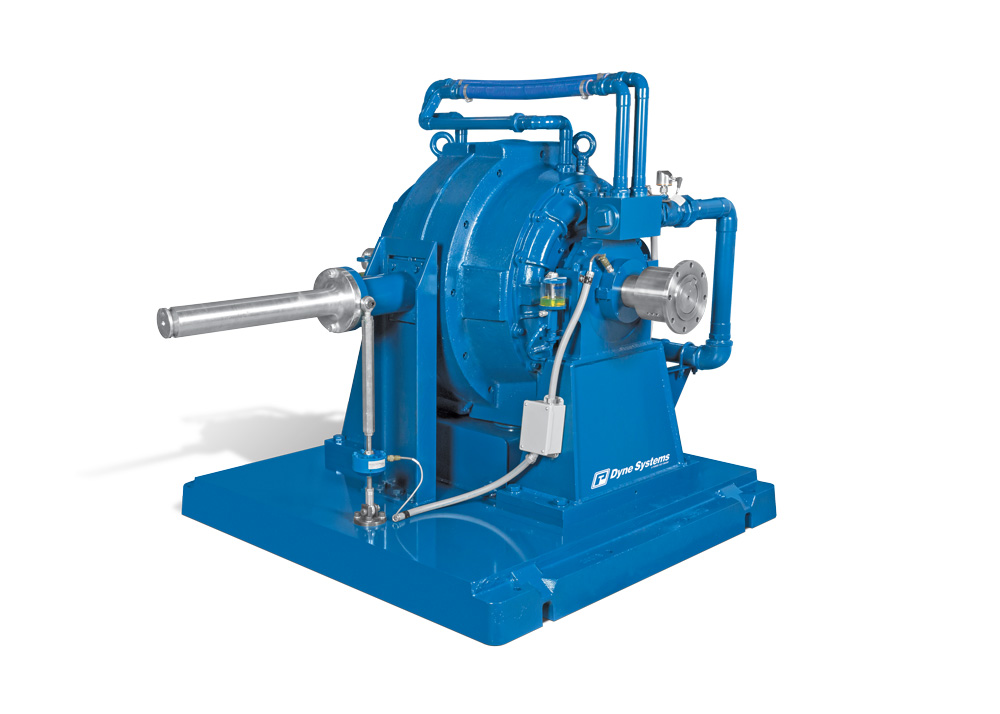
- Water brake and eddy current dynamometer systems for industrial engine testing.
- Integrated control systems for repeatable automated testing.
- Custom-engineered test cell solutions.
- Fuel measurement, emissions integration, and auxiliary instrumentation.
- Modern data acquisition and reporting capabilities.
- Lifecycle services, calibration, upgrades, and technical support.
Rather than replacing equipment unnecessarily, many customers discover they can significantly extend the value of their existing investment through targeted modernization.
Modernize Your Existing Test Cell with WinDyn®5i
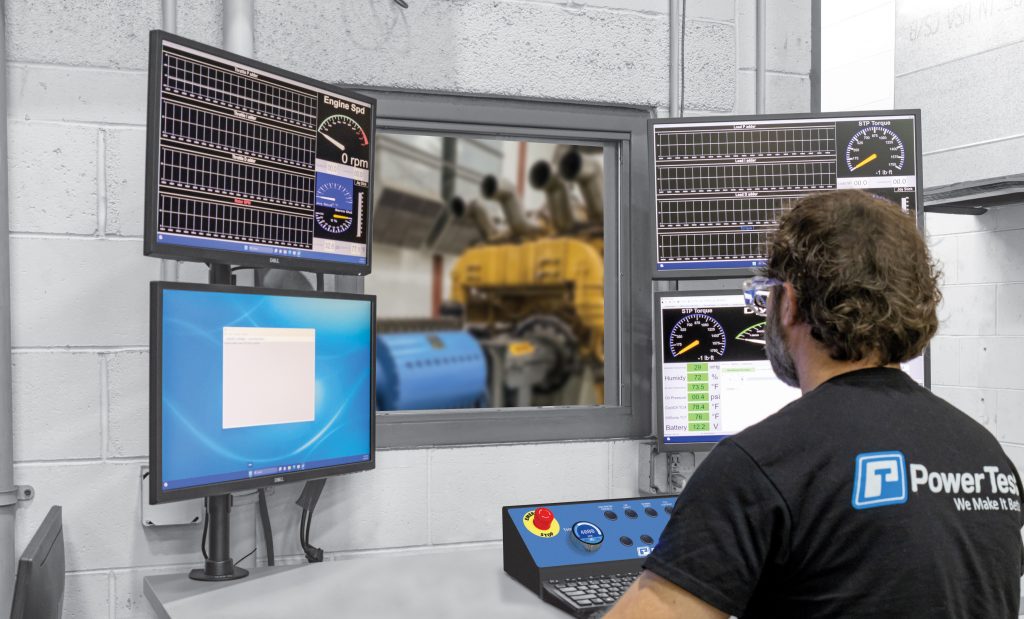
Many industrial test facilities operate dependable dynamometers that remain mechanically sound. The greatest opportunity often lies in upgrading the intelligence behind the system. WinDyn®5i brings modern data acquisition, automation, and reporting capabilities to existing test cells without requiring a complete replacement of the dynamometer.
With WinDyn5i, organizations can:
- Capture hundreds of synchronized data channels for complete engine analysis.
- Automate repeatable test procedures.
- Generate consistent reports for customers and quality documentation.
- Improve operator efficiency with an intuitive interface.
- Integrate additional sensors and instrumentation as testing requirements evolve.
- Reduce dependence on obsolete hardware and unsupported software.
For facilities running older data acquisition platforms, modernization can improve productivity while protecting the capital investment already made in the dynamometer and test cell infrastructure.
Results That Matter Beyond the Test Cell
The real value of advanced testing isn’t measured by the number of sensors or software features.
It’s measured by business outcomes.
Organizations that invest in modern testing capabilities are better positioned to:
- Reduce costly field failures.
- Improve first-pass quality.
- Increase confidence before equipment ships.
- Standardize testing across multiple facilities.
- Shorten troubleshooting time.
- Deliver documented performance validation to customers.
- Extend the useful life of existing testing assets.
These improvements translate into reduced operational risk, higher customer confidence, and more efficient production, critical advantages in an industry where uptime drives profitability.
Why Modernization Matters Now
The oil and gas market continues to evolve.
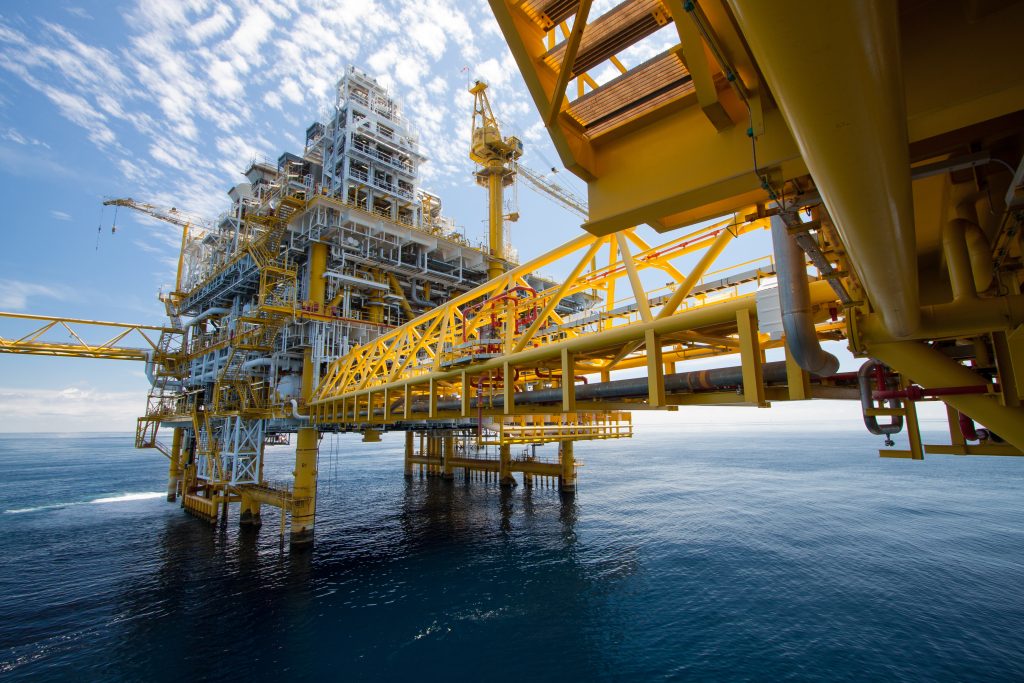
Demand for reliable power generation remains strong as exploration expands globally, offshore projects increase in complexity, and hydraulic fracturing operations continue to seek greater efficiency. At the same time, operators face increasing pressure to maximize equipment availability, document performance, and do more with existing capital investments.
Many facilities are reaching a decision point.
Continue operating aging test systems that become more difficult to support each year, or modernize with technologies designed to meet today’s operational demands while preparing for tomorrow’s engine platforms.
The organizations making that investment today are positioning themselves to respond faster to customer requirements, improve testing consistency, and remain competitive in an increasingly data-driven industry.
Decades of Experience. Built Around Your Success.
Power Test has spent more than 50 years helping customers solve complex engine testing challenges across industrial, power generation, defense, transportation, and oil and gas applications.
With thousands of dynamometer systems installed worldwide and a team of engineers focused exclusively on engine testing, we understand that every application is different. Our role is not simply to provide equipment, we work alongside customers to develop testing solutions that improve performance, increase efficiency, and maximize the value of their investment.
Whether you’re designing a new engine test facility, expanding production capacity, or upgrading an existing dynamometer with WinDyn 5i, our team can help you determine the right path forward.
Let’s start with your application—not a product catalog. Our engineers will evaluate your testing objectives, existing equipment, and long-term operational goals to recommend the most effective solution for your facility. Together, we can build a testing strategy that improves reliability, supports future growth, and delivers measurable business value.